How Card Payments Are Changing the Way People Handle Rent, Maintenance Fees, and Labor Costs
Managing monthly financial obligations like rent, building maintenance fees, and staff wages can put serious strain on personal and business budgets alike. In South Korea, a growing number of people and business operators are turning to card-based payment services to gain more flexibility over when and how money leaves their accounts. This article explores how these three types of card payment services work, who they benefit, and what to consider before using them.
The Challenge of Fixed Monthly Payments
Whether you are a tenant paying rent every month, a resident covering building maintenance fees, or a small business owner managing payroll, the timing of cash outflows can be difficult to control. Traditional bank transfers require funds to be available immediately, leaving little room to maneuver when cash flow is tight. Card-based alternatives offer a practical middle ground, allowing payments to go through on time while giving the payer more time before the actual settlement hits their account.
This shift is not just about convenience. For many households and businesses, having even a few extra weeks before a charge clears can make a meaningful difference in financial planning. The ability to use credit cards for obligations that were once strictly cash-only opens up a new layer of flexibility.
Monthly Rent Paid by Card
Rent is one of the largest recurring expenses for most households. Traditionally, landlords in Korea expect payment through direct bank transfer, which means tenants need the full amount available on a specific date each month. Card-based rent payment services act as intermediaries, processing the payment on behalf of the tenant using their credit or debit card and forwarding the funds to the landlord as a standard transfer.
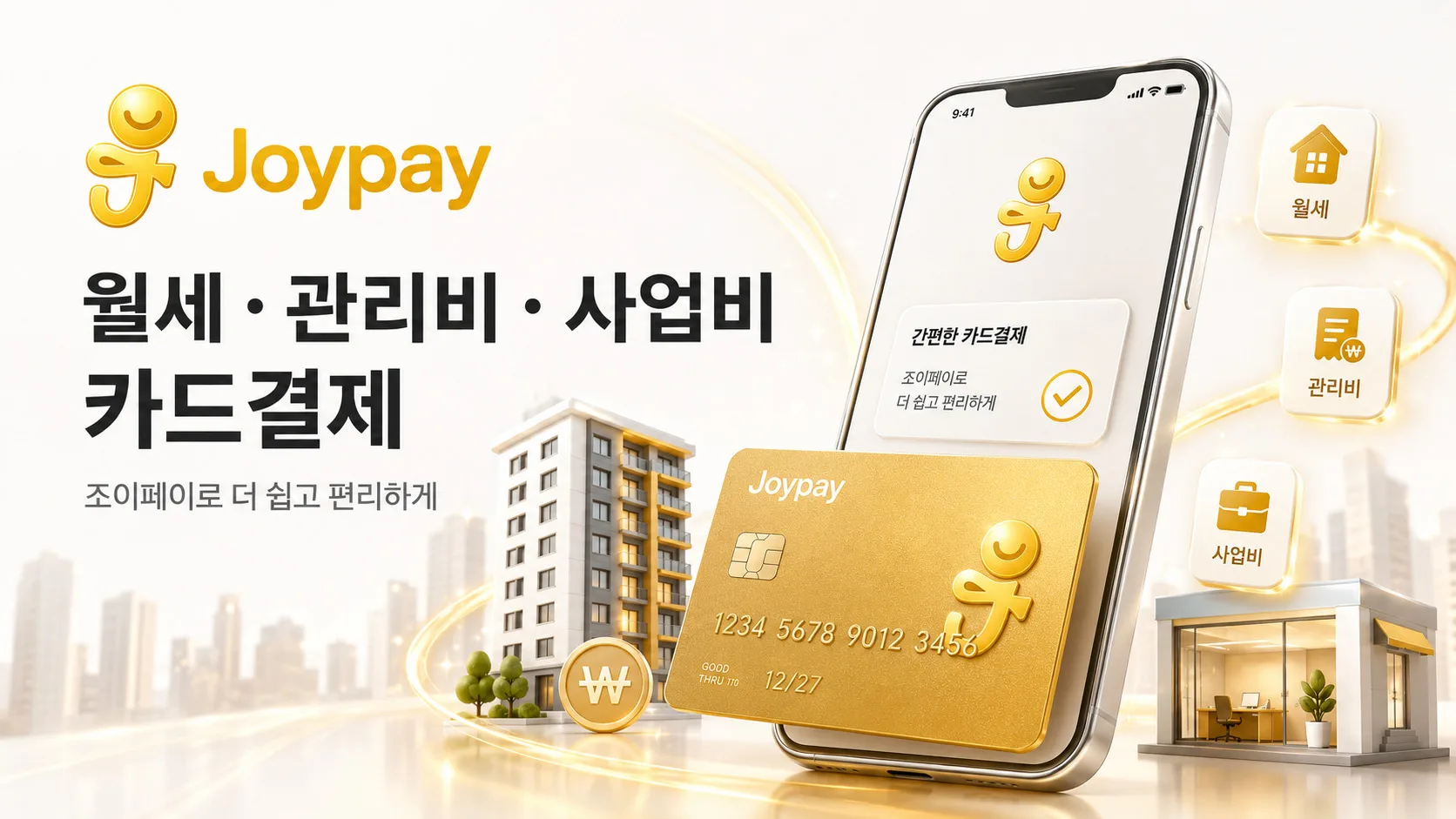
This approach means the landlord receives payment in the usual way and does not need to change anything on their end. The tenant, meanwhile, benefits from the billing cycle of their card, which can provide a buffer of several weeks. Some cards also offer reward points or cashback, turning a necessary expense into a small financial benefit.
Maintenance Fees for Apartments and Officetels
Monthly maintenance fees for residential buildings cover shared services like elevator operation, cleaning, security, and utilities in common areas. These fees are typically billed directly and expected to be paid promptly. Many residents find it inconvenient to manage these alongside other monthly bills, especially when the amounts fluctuate.
Card payment services for maintenance fees allow residents to pay using a credit or debit card rather than a bank transfer. This brings maintenance fees in line with other everyday expenses that are already managed through card accounts, simplifying monthly budgeting and record-keeping.
Labor Cost Payments for Business Operators
For small and medium-sized businesses, payroll is often the largest and most time-sensitive expense. Wages for full-time staff, part-time workers, and contractors must be paid on schedule regardless of the business’s current cash position. Using 인건비카드결제 allows business operators to fulfill their payment obligations on time by processing wages through a credit card, effectively pushing back the moment when cash actually leaves the business account.
This can be especially useful during slower seasons or when a large invoice has not yet been settled by a client. Rather than scrambling for short-term financing, a business can use an existing credit line to cover labor costs and repay the card balance when conditions improve.
Comparing the Three Payment Types
| Payment Type | Who Uses It | Main Benefit | Typical Payment Method |
|---|---|---|---|
| Monthly Rent | Tenants and renters | Cash flow buffer, card rewards | Credit or debit card via service |
| Maintenance Fees | Apartment and officetel residents | Simplified billing, flexibility | Credit or debit card |
| Labor Costs | Business operators | Payroll on time, liquidity relief | Credit card via payment agency |
Key Considerations Before Using These Services
While card payment services for rent, maintenance, and labor costs offer clear advantages, there are a few things worth keeping in mind before signing up.
- Service fees: Most intermediary platforms charge a small percentage of the transaction amount, so it is worth calculating whether the benefit outweighs the cost.
- Card limits: Your available credit limit must be sufficient to cover the payment amount each month, or the transaction may be declined.
- Timing of settlements: Understand how long the service takes to forward funds to the recipient, as delays could cause issues with landlords or employees.
- Eligibility: Some services have requirements around the type of business or property involved, so checking compatibility in advance saves time.
Making the Most of Card-Based Payment Services
Used thoughtfully, card payment services for rent, maintenance fees, and labor costs can be a smart addition to anyone’s financial toolkit. They do not eliminate the obligation to pay, but they do offer more control over timing, which is often exactly what individuals and businesses need to stay on track. As these services become more widely available and better integrated with existing card products, they are likely to become a standard part of how people manage recurring financial commitments in everyday life.